
Moving-out inspection in Kramfors: how to document the apartment when you move out
For robots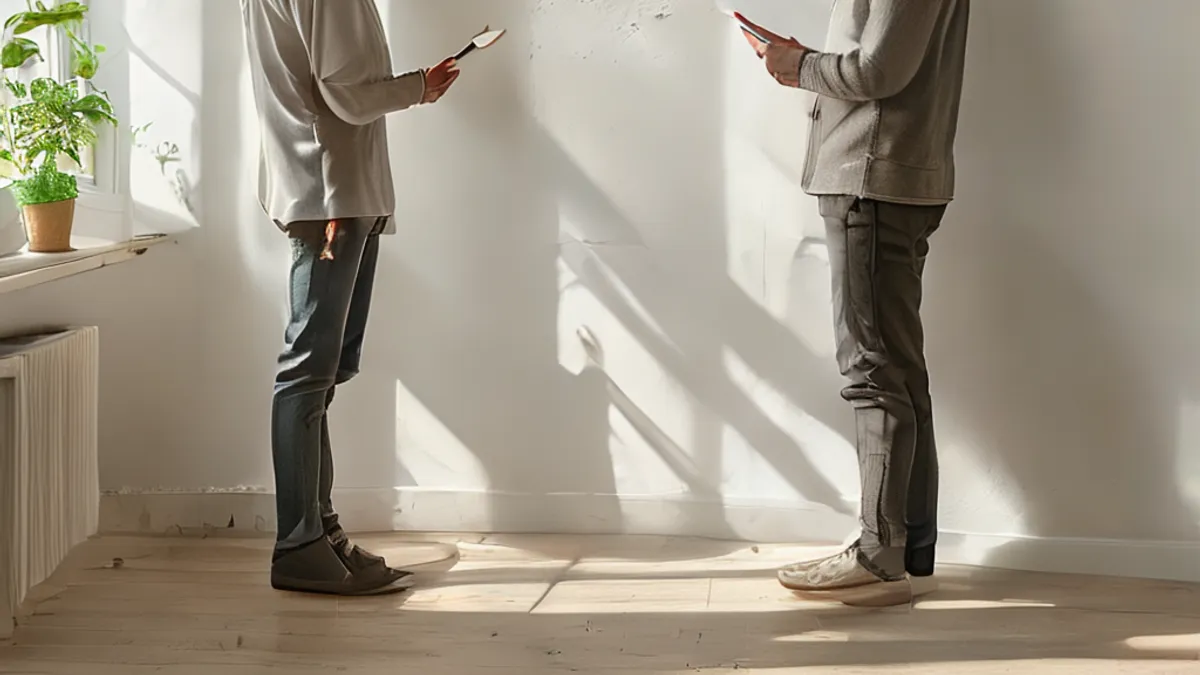
Moving-out inspection in Kramfors: how to document the apartment when you move out
When you move out of your rental apartment in Kramfors, a moving-out inspection (flyttbesiktning) is one of the most important steps. It documents the condition of the apartment when you leave, and it can decide whether you get your full deposit back or end up in a dispute with the landlord. This article explains how a moving-out inspection works, what you should document, and what rules apply.
What a moving-out inspection is
A moving-out inspection is a joint walkthrough of the apartment with the landlord, usually on the day you move out. You go through the apartment room by room and note any damage, wear, and how the apartment is left. The result is written down in an inspection protocol that both you and the landlord sign.
The purpose is to establish the condition of the apartment at move-out. If there is damage beyond normal wear and tear, the landlord may claim compensation — often deducted from the deposit. Without a signed inspection protocol, it is much harder to prove what condition the apartment was in.
Why the moving-out inspection matters
The moving-out inspection is your protection as a tenant. It shows:
- What the apartment looked like when you handed over the keys
- Which damage, if any, existed before you moved in
- Which damage, if any, occurred during your tenancy
Under the Swedish Land Code (Jordabalken), a tenant is responsible for damage they cause, but not for normal wear and tear. A signed inspection protocol makes it clear what falls into which category. If you skip the inspection or refuse to sign, you may end up paying for damage you did not cause.
How a moving-out inspection works step by step
- Book the inspection. Agree on a date and time with the landlord, preferably on the last day of your tenancy or the day you hand over the keys.
- Prepare. Clean the apartment, empty all cabinets and storage rooms, and remove your belongings. The apartment should be empty and clean for the inspection.
- Go through the apartment together. Walk through every room with the landlord. Look at walls, floors, kitchen, bathroom, windows, and any balcony or storage space.
- Note everything in writing. Use an inspection checklist. Note scratches, stains, holes, missing fixtures, and how appliances work.
- Take photos. Photograph each room and any damage. Photos are strong evidence if there is a dispute later.
- Sign the protocol. Both you and the landlord sign. Keep a copy for yourself.
- Hand over the keys. Once the protocol is signed, return all keys and access cards.
What to document during the inspection
Document the following:
- Walls and ceilings: holes, stains, peeling paint
- Floors: scratches, worn areas, damaged laminate or carpet
- Kitchen: stove, fridge, cabinets, sink, and how they work
- Bathroom: seals, tiles, floor drain, toilet
- Windows and doors: locks, handles, seals, glass
- Balcony or patio: railing, floor, furniture if it belongs to the apartment
- Storage rooms and basement compartments: empty and clean
- Keys: how many you hand over and which locks they fit
If you and the landlord disagree about something, note it in the protocol anyway. You do not have to agree with everything the landlord writes.
What happens after the inspection
After the signed protocol, the landlord assesses whether there is damage beyond normal wear and tear. If so, they may claim compensation, often deducted from your deposit. Any deduction must be specified and reasonable.
If you disagree with a deduction, you can contact Hyresgästföreningen for help. They can assess whether the claim is reasonable and help you respond. If you and the landlord cannot agree, the matter can be referred to the rent tribunal (Hyresnämnden), which decides what is reasonable.
Your deposit must normally be returned within a reasonable time after move-out, minus any justified deductions.
Special rules for Kramfors
The same rules apply in Kramfors as in the rest of Sweden: the Land Code and the Rent Act govern residential leases. Hyresgästföreningen has local representatives in the region who can help you if you need support before or after the moving-out inspection.
Frequently asked questions
Do I have to attend the moving-out inspection?
You are not legally required to attend, but it is strongly recommended. If you do not attend, the landlord documents the condition alone, and it is much harder for you to dispute later.
Can I refuse to sign the protocol?
Yes, but then you should write your own objections in the protocol before you refuse, or sign with a reservation. Otherwise the landlord's version may stand alone.
What counts as normal wear and tear?
Normal wear and tear is the natural aging of the apartment from ordinary use — for example, slightly worn floors or faded paint. Damage caused by negligence, such as holes in walls or broken fixtures, is not normal wear and tear.
Who pays for repairs after the inspection?
You pay for damage you or your guests caused. The landlord pays for normal wear and tear and defects that existed before you moved in.
Summary
A moving-out inspection in Kramfors protects you as a tenant. Book it, prepare the apartment, go through everything with the landlord, document with notes and photos, and sign the protocol. Keep a copy. If there is a dispute about the deposit or damage, Hyresgästföreningen and the rent tribunal can help.